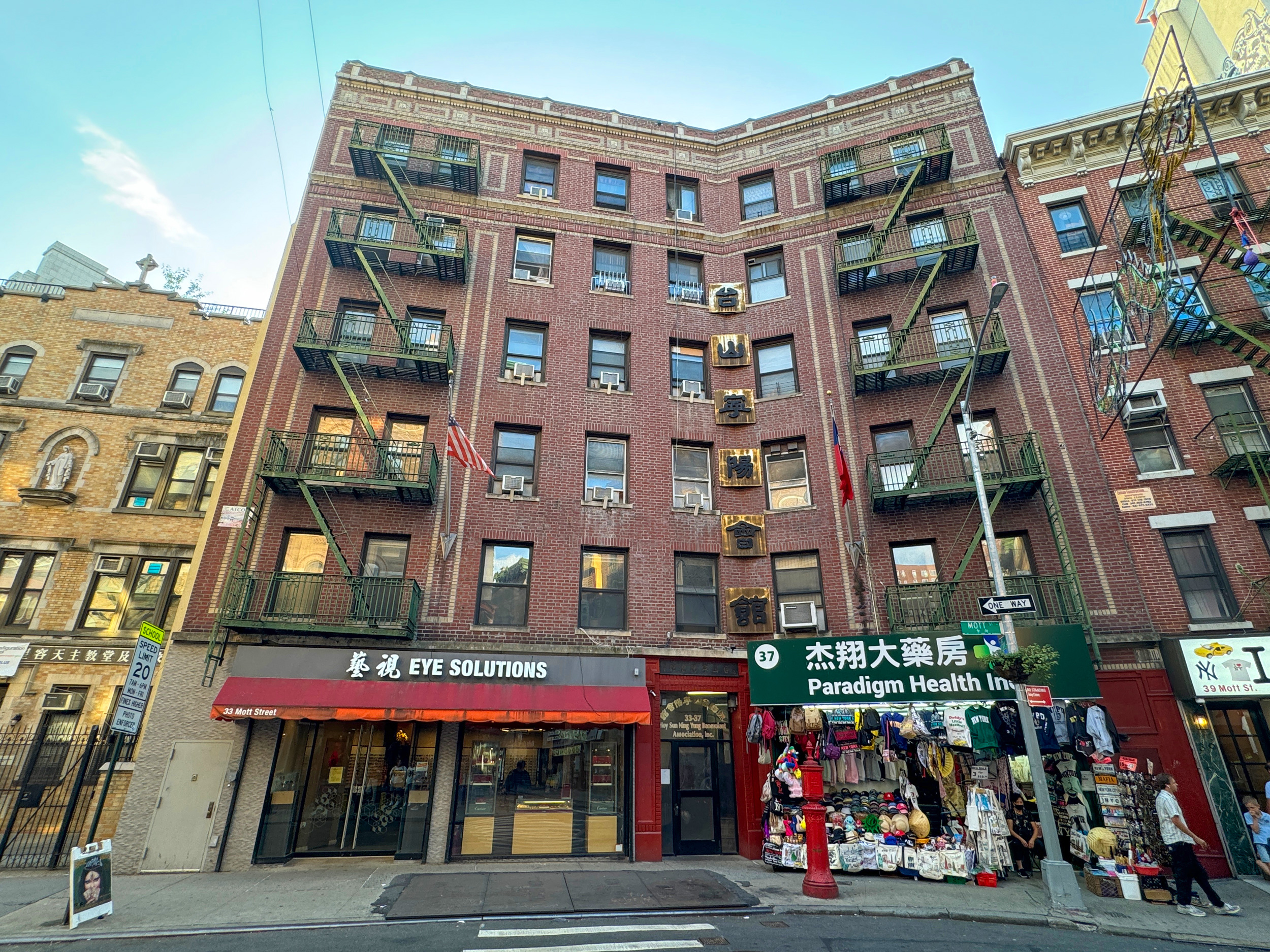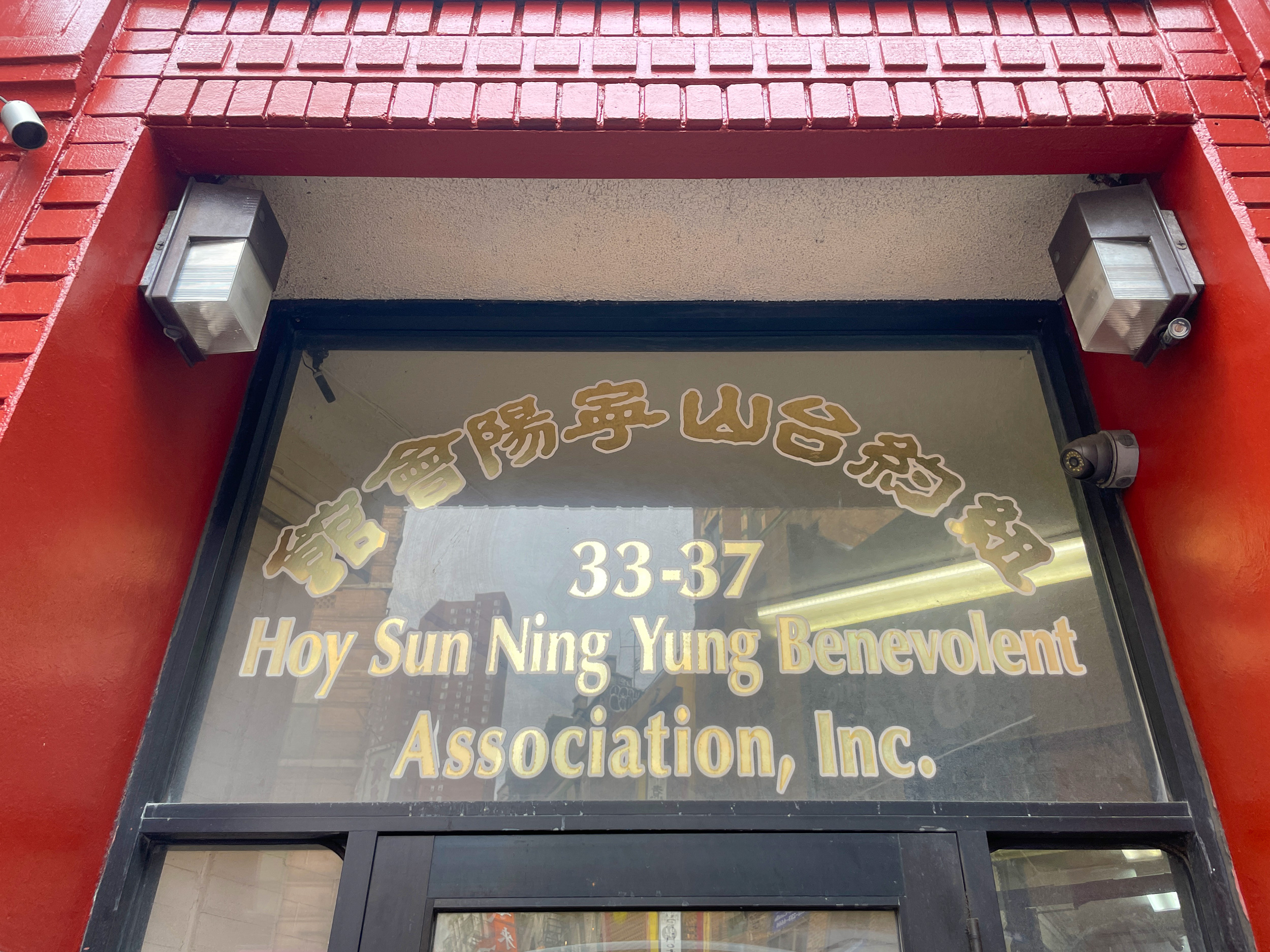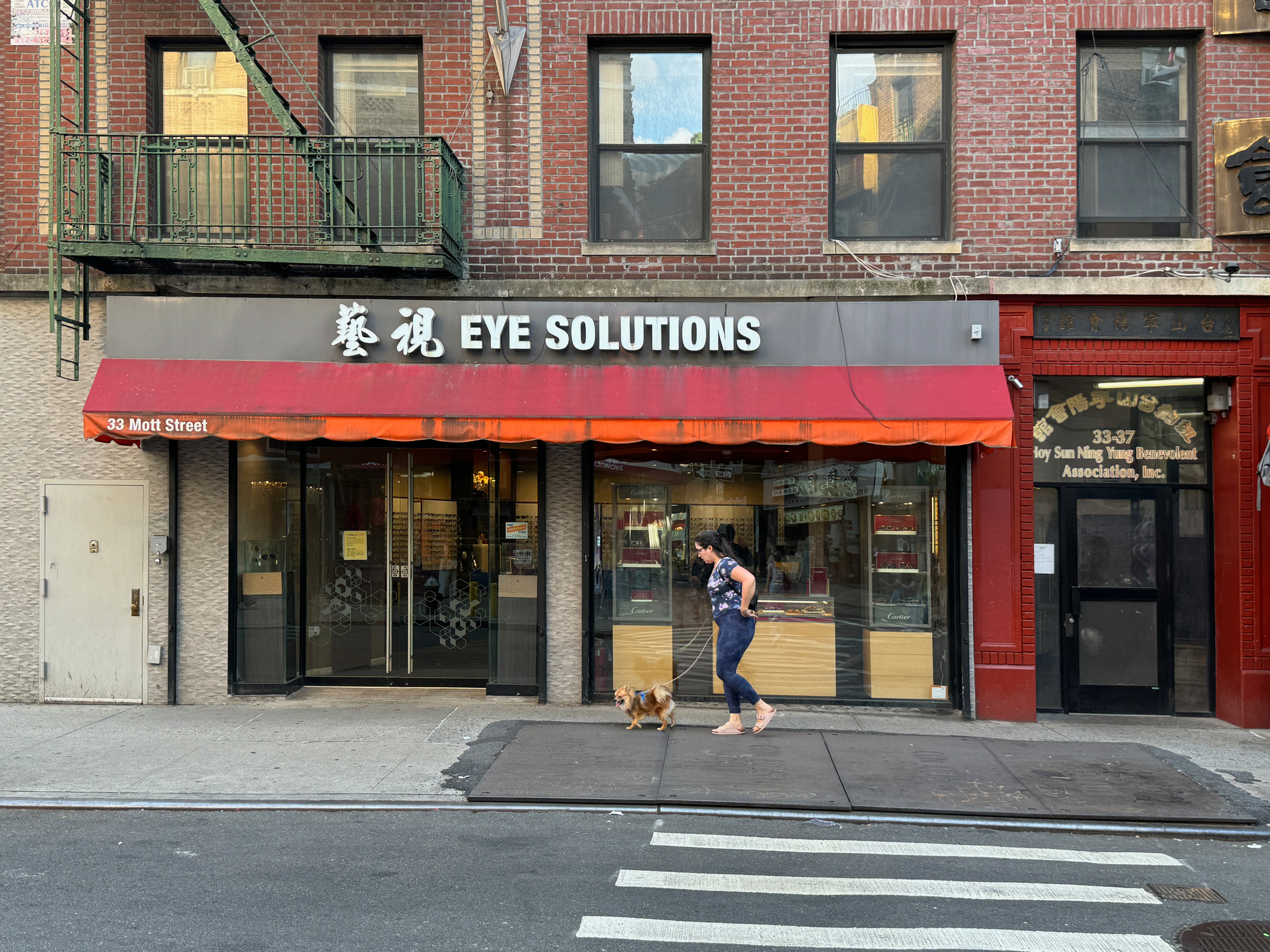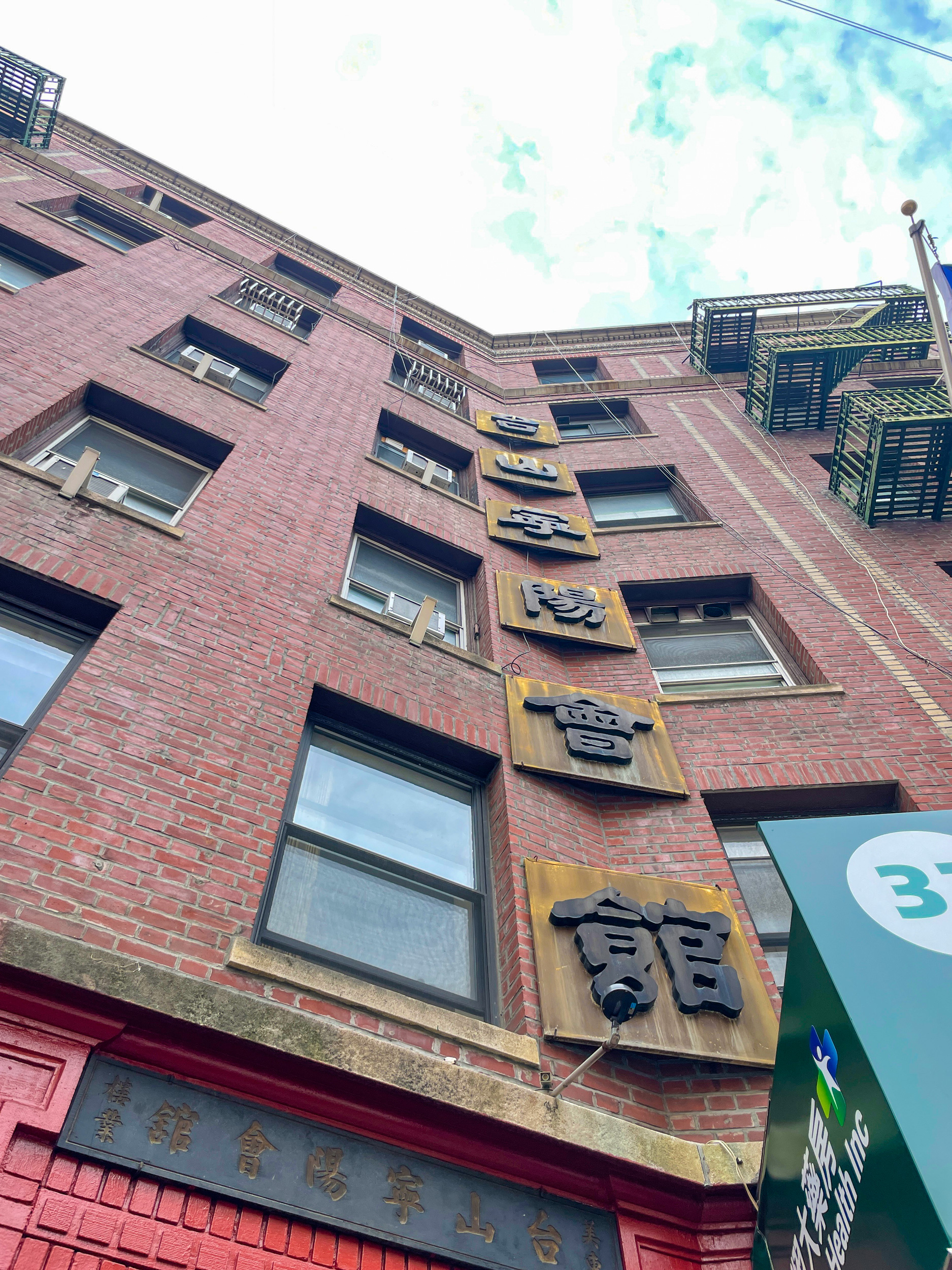
33-37 Mott
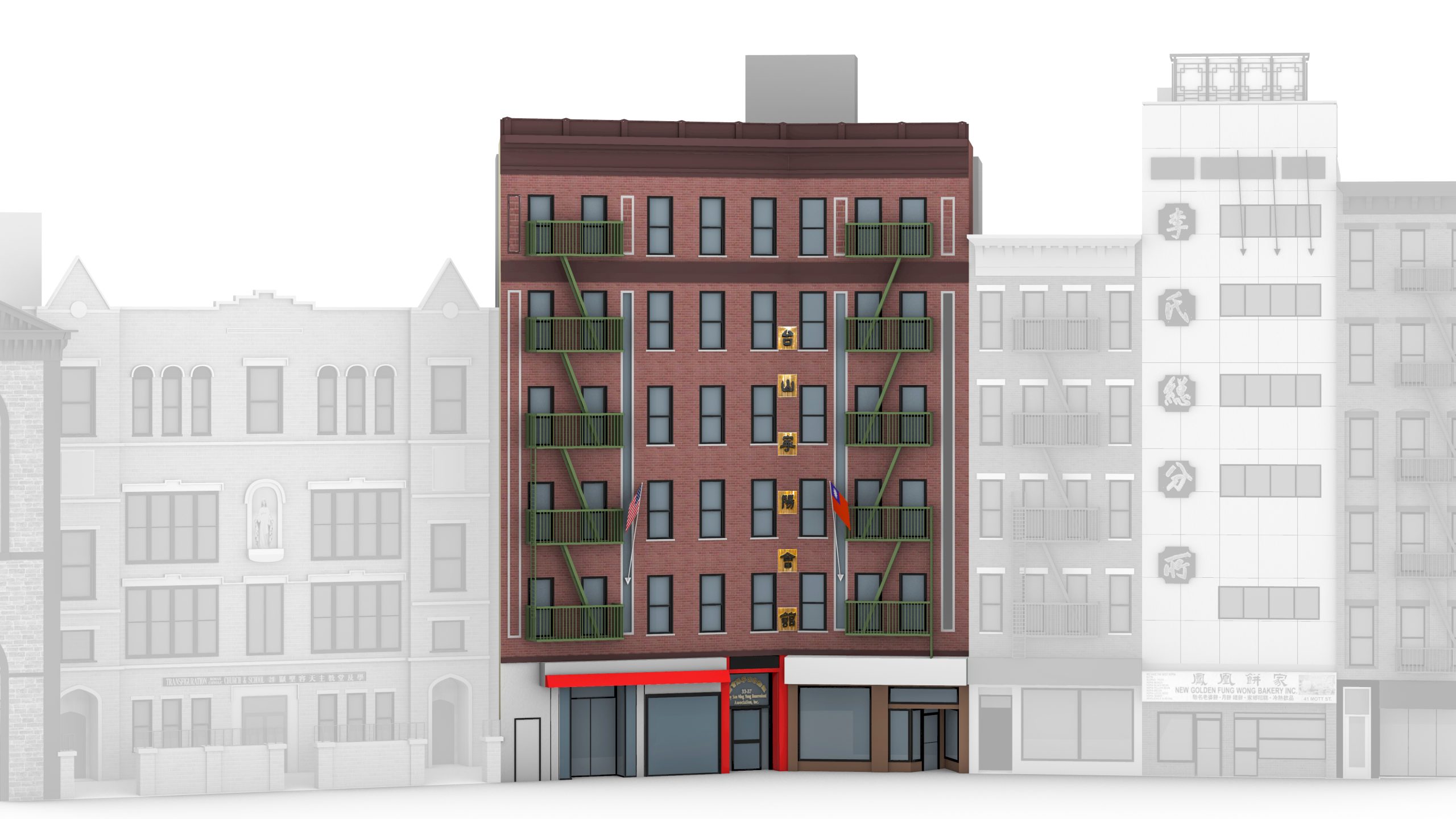
Hoy Sun Ning Yung Association Building
Architect: George Frederick Pelham
Built in 1914
2024
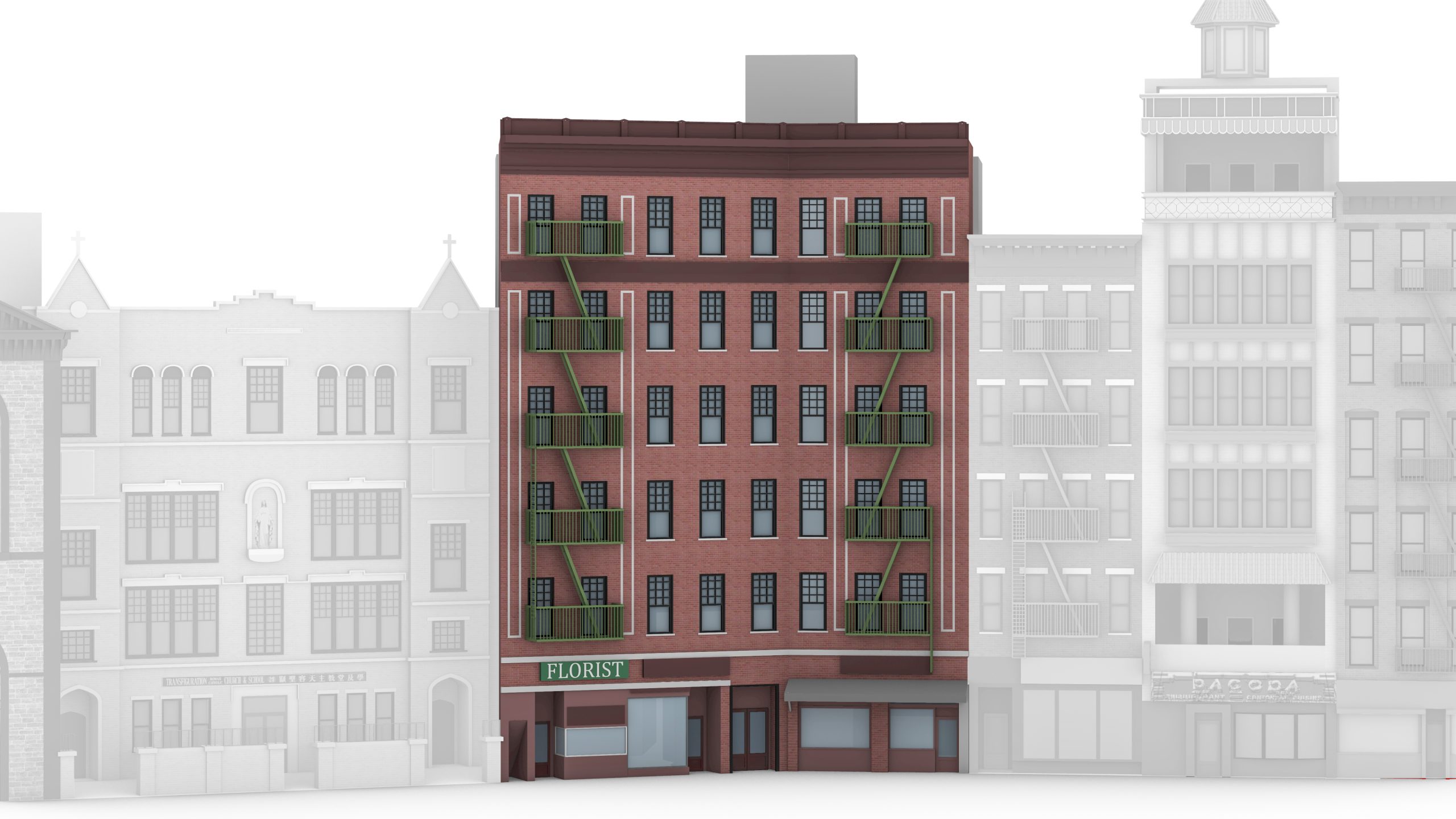
33-37 Mott
Architect: Possibly George Frederick Pelham
Built in 1914
1940s
Interview
(WITH ERIC NG, FORMER PRESIDENT OF THE HOY SUN NING YUNG ASSOCIATION)
Interview conducted in May 2022.
+ Tell me about your past tenures as president. When were you the president of the Hoy Sun Ning Yung Association?
In 1994-1995, I became the president of the Eng Family Association.
In 1996 to 1997, I was the president of Hip Sing Association.
From 1998 – 1999, I became the president of the Chinese Freemasons Association.
From 2000 to 2004, I became the president of the Hoy Sun Ning Yung Association.
I became the president of the Tak Ming Alumni Association from 2002 to 2011. I held the title for too long.
From 2004-2007, I became the (international) president of the Eng Family Association.
From 2006-2008, I became the first president of the CCBA. By that time, I had become the president of many associations already. Then, from 2014 – 2016, I held the second term of being president of the CCBA.
From 2012-2013, I was the national president of the Eng Family Association.
From 2016 to 2020, I became the national president of the Hip Sing Association.
From 2018 to 2020, I held a third term as the CCBA president.
So, I’m the guy who’s been involved in community business since I stepped in in 1994. I never stopped. I like to use whatever formula we use. I don’t want to change it because when a new president comes in and uses a new rule, this mixes up all the associations. I hate it. That’s why I talk to everybody: Follow the rules. When you follow the rules, no one complains about you. That’s why we call this the traditional association.
Usually the president of Hoy Sun Ning Yung Association [holds office] for two years, but during the pandemic, Raymond extended the term two years. Right now he still holds this title as president of the association, but from March 1 to July [2022] I will represent him for meetings at the CCBA. I don’t want to say I’m the president here because I don’t want to go to banquets… I used to so much already. I’m so tired of banquets – if some important association invites me, I will go, but otherwise I refuse to go. Let the young guys do it!
+ How long has the Hoy Sun Ning Yung Association been in this building at 33-37 Mott? When was this building constructed?
The building was built around 1915.
We bought this building in 1952.
Before, they [the association] were renting. Do you know the first location? Number five Mott Street. This association was originally located at 5 Mott (maybe when the Eng Family Association bought the building), then they moved to East Broadway and then to Canal Street.
In 1987, we moved to the current building. Although we’ve owned the building since 1952, the apartments before were fully occupied. By that time, we renovated three apartments to make the office space. Moy, a lawyer who had the three apartments, gave them back to the association.
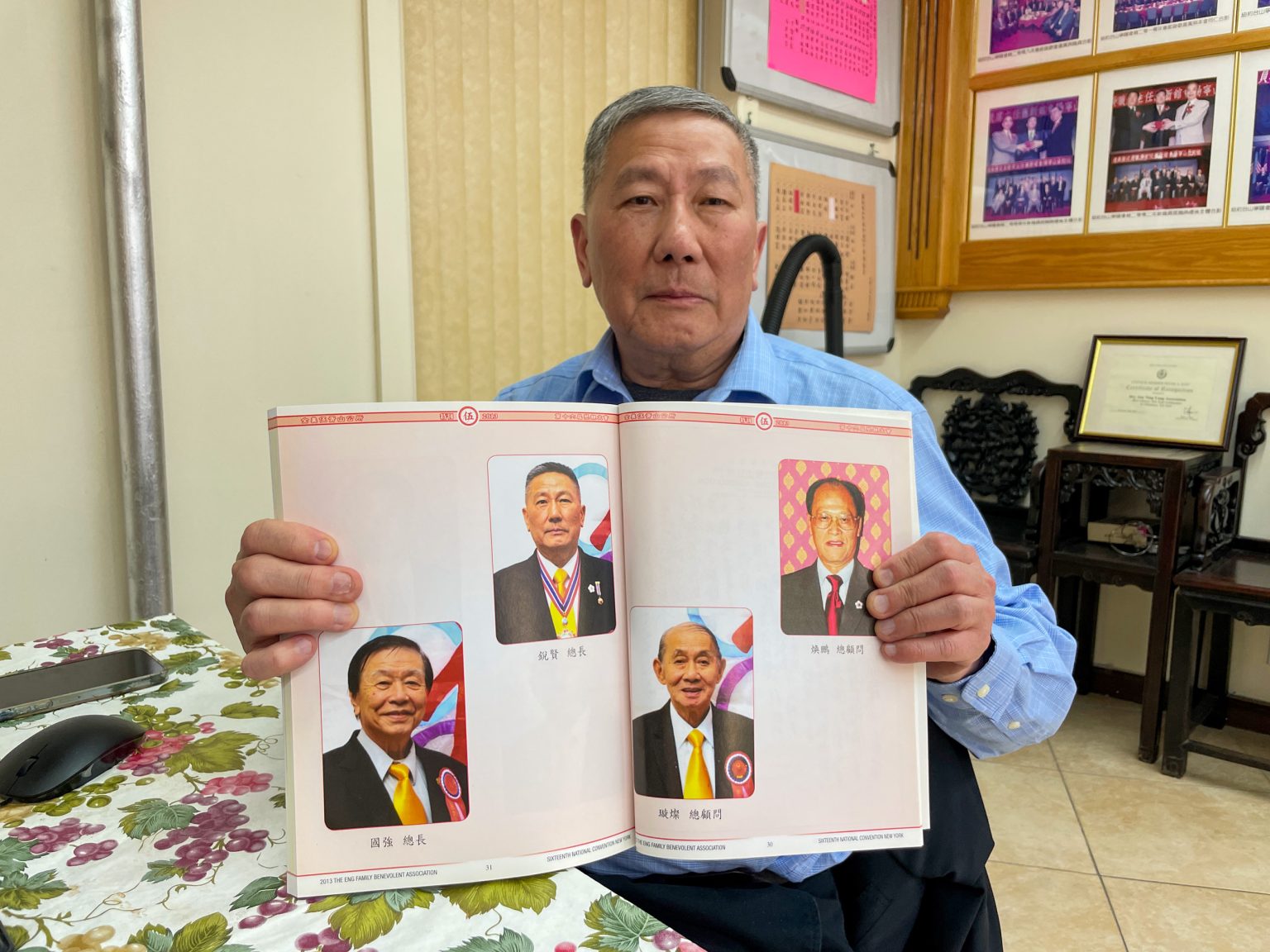
Eric Ng showing his photograph on the left page of the association’s recent publication. Photographed during our interview, May 2022.
+ Can you tell me about any major renovations or changes to the building?
In 2007, we took back another apartment – the corner apartment – and we renovated again, [enlarging the space] from three apartments to four apartments. We put steel beams on the second floor to provide more support.
Around 2012, we upgraded the building to have new hot and cold water pipes and new gas pipes. After we finished the plumbing, we rewired all the electrical in the building.
In 2001, we put cameras in to make it easier for management. I was treasurer then. When I was treasurer, I held all the money. I wrote up all the checks; I didn’t need to do financial planning because everything was in my head; my major was in accounting and I am a businessman.
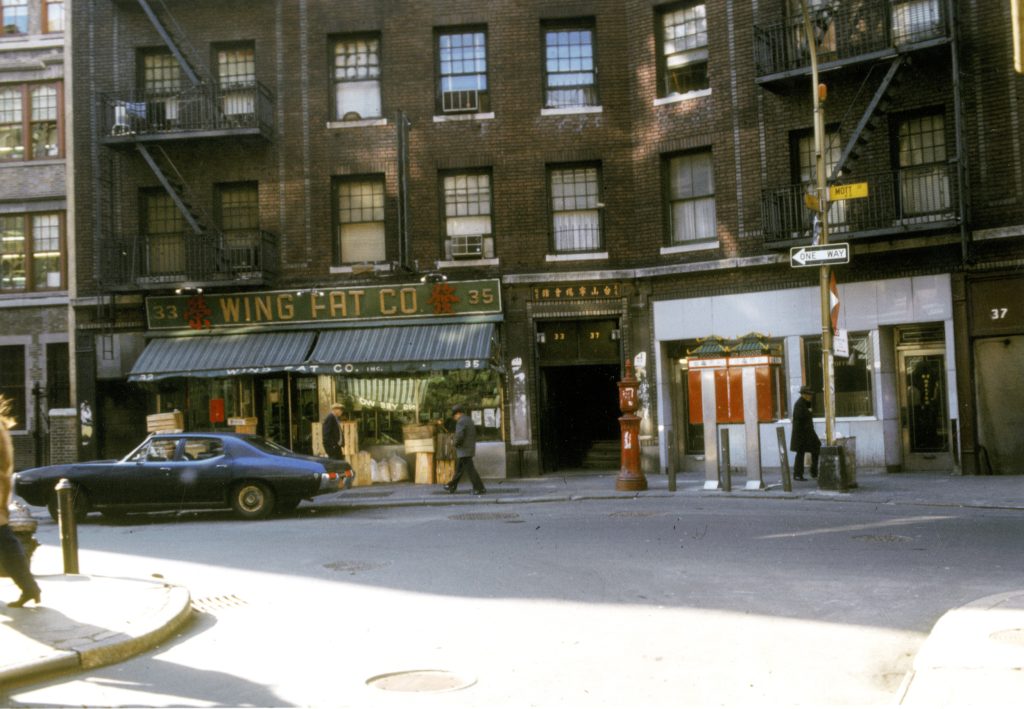
Storefronts of 33-37 Mott Street in 1974. Photograph by Brian Merlis, courtesy of Eric Y. Ng Collection, Museum of Chinese in America (MOCA) digital archive.
+ Can you share any information about the building’s history, or its past lives? What was the old building before the renovation like?
On the ground floor, it originally used to be a grocery store. Then it became a restaurant that sold noodles and wontons… then it became a vegetarian restaurant, and then later on, it became an eyeglass store..
Downstairs, the right-side unit used to be a lawyer’s office (of the guy who lived upstairs and owned the three apartments) and then it became an empty store and then a candy store. They gave up their lease on July 1, 2020. It’s been hard in Chinatown and we lost a lot of rent.
Right now there’s a pharmacy and an eyeglass store.
+ Tell me about this building. How does the association use its space in the building?
We have six floors. On the ground floor, we have two stores. Each floor has eight apartments and right now, the association owns four floors, though we have only 28 apartments because some spaces are used as commercial areas.
This building is for meetings – there are no mahjong tables here. Traditional organizations – we own the building. We don’t need that kind of income; we have commercial rental income to cover all of the expenses.
A lot of family associations in Chinatown play mahjong, but don’t allow gambling, only playing for fun.
+ What are your fondest memories of this building?
I spend a lot of time here. Even when I became the national president of the Hip Sing, or the CCBA, I was still here on Saturday and Sunday. Usually with my business, I would wake up at 4AM and start my business around 6:30AM. I would be very tired. My office girl would come in around 7:30AM and then at 8:20AM, I would have left my store already and gone to the bank. After the bank, I would come here to take a nap.
I would start work at the CCBA at 10AM, which is why I would take a nap here first.
+ Would you give me a brief introduction of yourself? When did you come to New York?
I left China when I was 4 years old. I came here to New York City in 1970 at 20 years old. The day I remember I stepped down, my relatives took me to the apartment – I first lived at 56 Henry Street.
I came with my mother and my brother because I’m the fourth and the first generation (born out of the U.S). With the fourth generation, I mean that my great-grandfather, grandfather, father & I were all here in New York City at the same time. Being the fourth and first generation is why I know a lot of history from my parents.
From 1970-1973 I worked at Chemical Bank, which is now Chase Manhattan Bank.
From 1973-1976, I worked at Deloitte (Huskin & Sells), a CPA firm.
In 1976, I started to make fortune cookies.
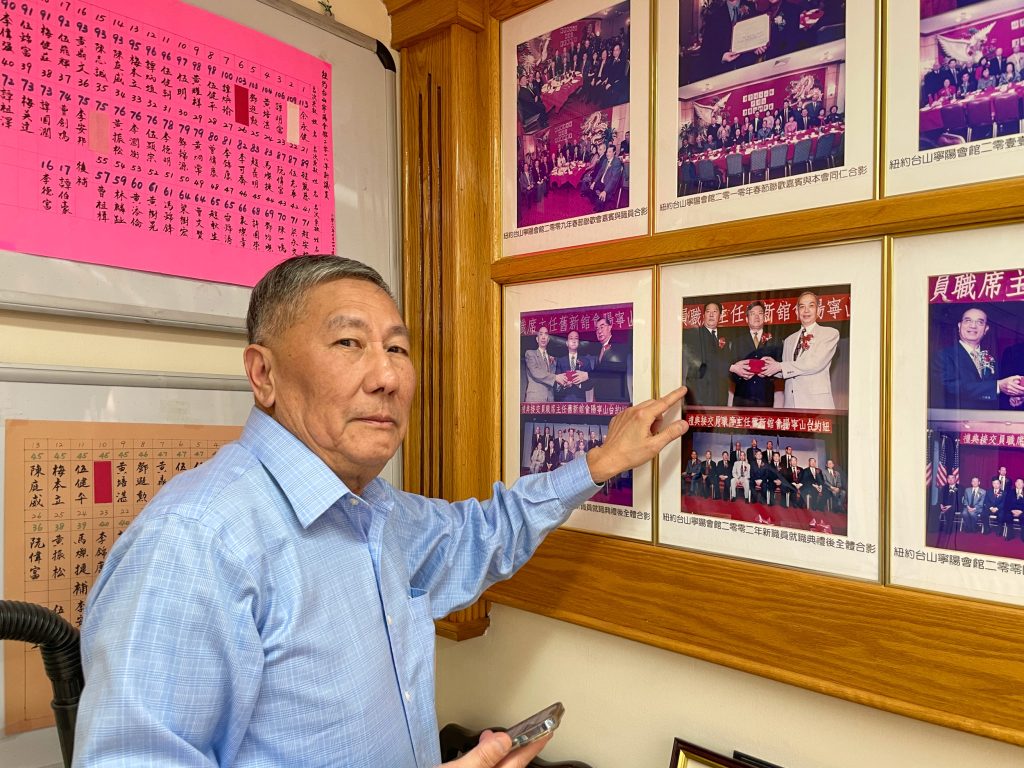
Eric identifies himself at photographs displayed in the association’s headquarters, during our interview session, May 2022.
Twenty five years ago, I took care of the Eng Family [Eng Suey Sun Association]. And then later on, step by step, I started to take care of this building [Hoy Sun Ning Yung Association] and then the Chinese Consolidated Benevolent Association (CCBA) building.
In 1922, over a hundred years ago, the CCBA of Newark bought a plot in a cemetery to bury the Chinese in Newark. It was managed by the Eng family in the 1970s. Around 1980, the Eng Family [Association] gave authority to New York’s Eng Family [Association] to handle it. Around 2010, we tried to sell all of the space and we bought another 100 plots.
When I came in 1970, my grandfather had already passed away. Every year I go to ching ming [sweep the tomb for the Ching Ming Festival], so when I see these stones, I know the history. The CCBA owns spaces in Evergreen (Staten Island).
I’m also a collector. I always traveled to a lot of cities for stamp shows & auctions. This is my hobby.
+ How long have you been working in Chinatown? How did you come to be connected to Chinatown?
My parents never brought me to Chinatown [when I was a child.]
When I came in 1970, I had a lot of alumni from Hong Kong. We had alumni associations in Hong Kong and in 1971, we rented a space to establish the alumni. This space [for the Tak Ming Association] still exists at 16 Mott Street. The Chinese Consolidated Benevolent Association (CCBA) is the property owner. That was my first step into Chinatown. Alumni business is different from community business.
Every Saturday and Sunday, we hung out in Chinatown with the alumni. We learned a little bit of knowledge from Chinatown but we were not really involved in the community. I became involved later on because I started my business.
I started a business making fortune cookies in 1976-1977. Along with another alumni member, we took over the business from the previous owner. I sold it to him in late 1978. It was at 6 Chatham Square. Before, it used to have a liquor store in the storefront and we made fortune cookies in the back. I started another fortune cookie business, with fully automatic machines, in 1978 at 53 Chrystie. I sold the business to Wonton Foods in 1983. I was too busy and had no breaks as the machines were going seven days and seven nights a week. By then I was also doing wholesale, which I started in 1982. Major products sold were eggs and coffee. Martinson Coffee, which is famous in Hong Kong — I sold that product. At the time, all the cafes drank this coffee. By 1991, I had gotten a younger partner. I left this partner the business, minus the eggs and coffee. We split the company into two companies at 7-11 Ludlow and 23-25 Ludlow.
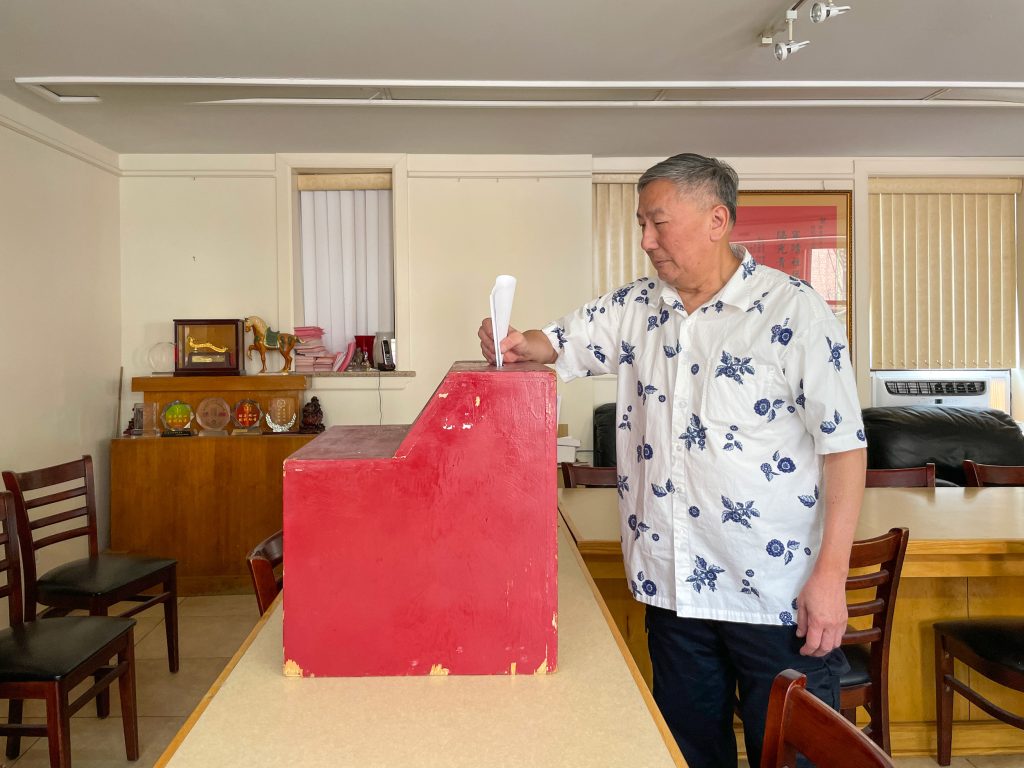
Eric showing how ballots are cast in the association’s wooden ballot box, May 2022.
+ What was Chinatown like when you first arrived in the 1970s?
I went to work and my connection was mostly with the alumni. Every Saturday or Sunday we had meetings together. We didn’t go outside to do new things. Then, it was different. I was too busy.
In 1973, it felt like the situation was getting worse in Chinatown with the gangs… though they didn’t bother me with my business, and my store was outside Chinatown.
+ How have you seen the Chinatown community change over the past decades?
A lot has changed.
In 1975, the Vietnamese came here and the size of Chinatown boomed. My wife was Chinese-Vietnamese (she passed away in 2005). Between 1970 and 1980, a lot of Taiwanese came here. Around 1985, a lot of Malaysians and Singaporeans came here. At the end of the 1980s to the early 1990s, a lot of Fuzhounese came here.
Chinatown is changing — during that time, we expanded to the north, but we couldn’t expand westward because of the jail. We also expanded in the east. To the south, there were the projects, so we didn’t expand there. Hester, Grand Street – boom – Chinatown moved up north.
But around 2010-2015, from the north, the Americans pushed back.
+ What are your feelings about what Chinatown has been impacted since the pandemic started?
When the pandemic started, I had an appendicitis emergency. I stayed two months in the hospital and three months in a rehab center, four months resting at home and last year in January, I went back to the hospital for surgery again and then was doing better and better… It was a two-year experience.
I have nothing to say because Justin Yu, the former president of the CCBA, was the public face of COVID. He was famous because he first stepped into this title in this month. Everything shut down in Chinatown and he handled it.
HOY SUN NING YUNG ASSOCIATION HEADQUARTERS - PHOTOGRAPHS
Photographs taken in May-July 2022.
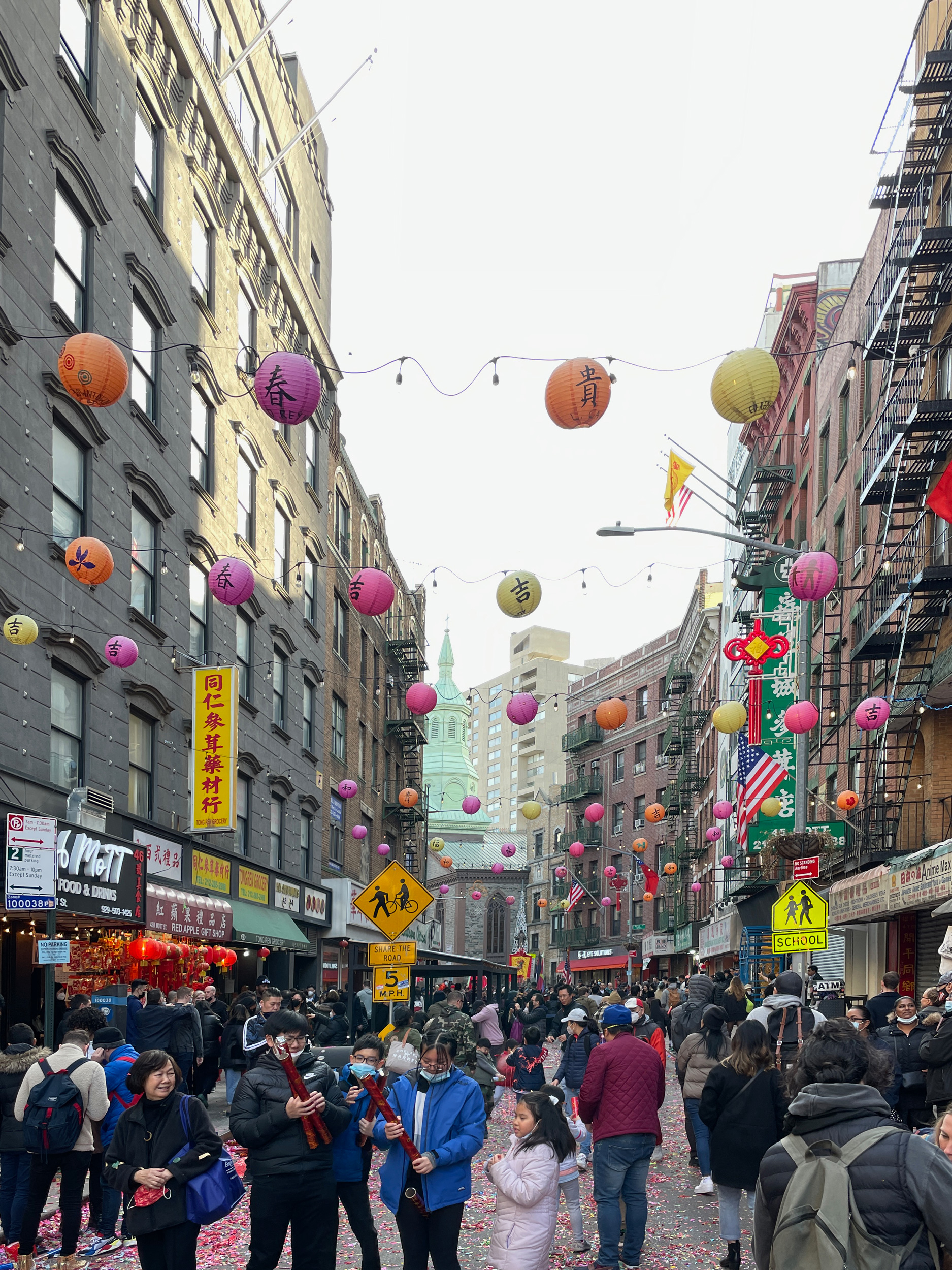
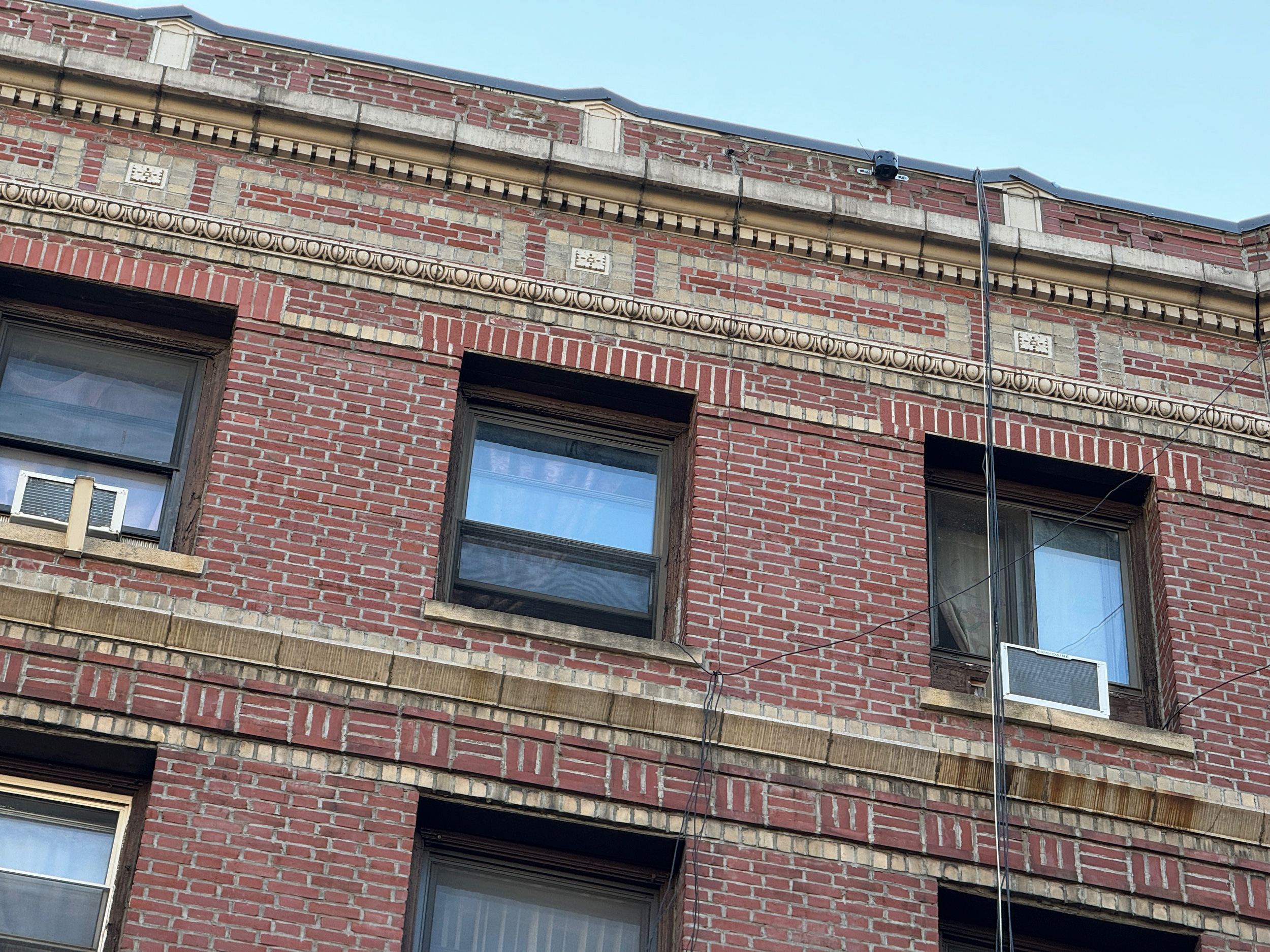
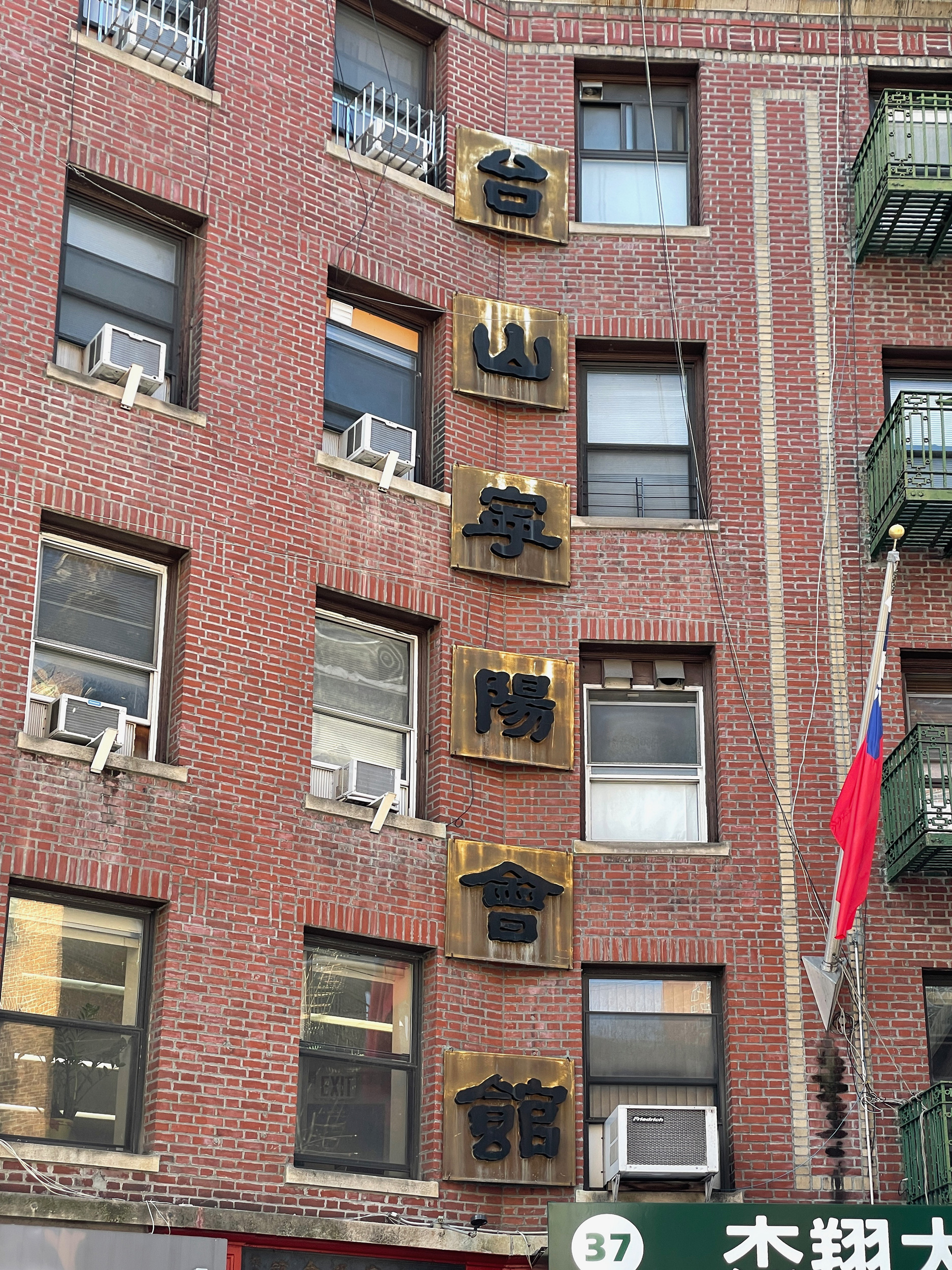
33-37 MOTT - BUILDING PHOTOGRAPHS
Photographs taken between 2022-2024.